
Overview
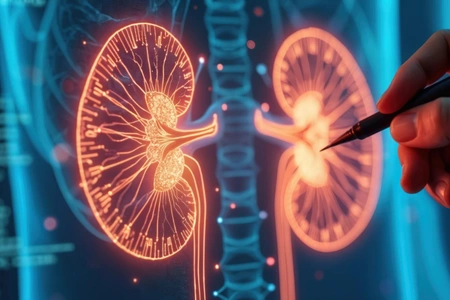
At Avantis Clinic’s nephrology department, we focus on helping people with kidney problems and issues with their body’s electrolytes. Most folks don’t realize how much the kidneys actually do, they handle waste, keep blood pressure in check, and balance fluids throughout the body. When something starts to go wrong, catching it early and treating it right away really makes a difference.
If you notice swelling, your bathroom habits change, your blood pressure climbs, or you have diabetes-related kidney trouble or odd test results, we take a close look. We don’t just check things once and send you on your way. We stick with you, manage your treatment over the long haul, and keep an eye on how things are going. Our goal is simple: help your kidneys work their best, slow down any disease, and help you feel better day to day.

Key Services & Specialties
When Should You See a Kidney Specialist?
Book My Appointment
If you need a kidney checkup or want to talk about treatment options, you can book a visit at Avantis Clinic. Dr. Naveen Consultant Nephrologist Seeing a kidney specialist on time really helps you keep your kidney function, avoid complications, and stop things from getting to the point where you need advanced treatments.
FAQs
You might notice swelling, feeling tired, losing your appetite, peeing more often at night, or weird results in your blood or urine tests.
High blood sugar slowly damages the parts of your kidneys that filter waste, which can lead to diabetic kidney disease.
Dialysis comes into play when your kidneys can’t filter out waste anymore and your body needs help to do the job.
Keep your diabetes and blood pressure under control, drink enough water (but not too much if your doctor says so), avoid taking painkillers you don’t need, stay at a healthy weight, and get checked regularly.
Yes. If your urine is foamy all the time, that can mean there’s protein leaking into it — an early sign of kidney trouble that needs a doctor’s attention.
Some kidney issues go away if you catch them early, but chronic kidney disease usually needs to be managed to stop it from getting worse.
Creatinine is something doctors check in your blood to see how your kidneys are working. High levels mean your kidneys aren’t working as well as they should.
Definitely. If you don’t control your blood pressure for a long time, it’s one of the top reasons people get kidney disease.
CKD means your kidneys slowly lose their ability to work over time. It often starts because of diabetes or high blood pressure, and you might not notice symptoms early on.
Everyone’s needs are a bit different. Most healthy adults do well with steady hydration, but if you have kidney disease, your doctor will let you know exactly how much fluid you should have.