
Electromyography (EMG)

Overview

Electromyography (EMG) is a diagnostic test used to evaluate the health of muscles and the nerves that control them. At Avantis Clinic, EMG testing helps doctors identify nerve and muscle disorders that may cause weakness, numbness, tingling, or loss of muscle function.

The test measures electrical activity produced by muscles during rest and movement. EMG helps doctors diagnose neuromuscular conditions and understand how well nerves communicate with muscles, allowing accurate diagnosis and effective treatment planning.
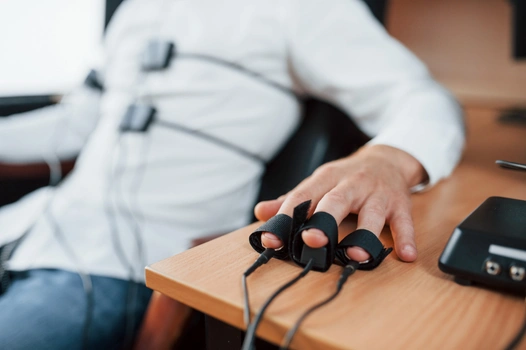
Electromyography (EMG)

Key Highlights of Our EMG Testing

Evaluates muscle electrical activity
Detects nerve damage affecting muscles
Helps diagnose neuromuscular disorders
Identifies muscle weakness causes
Supports nerve injury assessment
Advanced diagnostic equipment
Experienced diagnostic specialists
Quick and reliable testing process
Accurate nerve and muscle evaluation
Supports treatment planning

Conditions Detected Using EMG

Muscle Weakness

EMG helps determine whether muscle weakness is caused by nerve damage or muscle disease.

Nerve Injuries

Detects damage to nerves that affects muscle movement and coordination.

Carpal Tunnel Syndrome

Helps identify nerve compression in the wrist causing numbness, tingling, and weakness.

Peripheral Neuropathy

Detects nerve damage that leads to numbness, burning pain, and muscle weakness.

Pinched Nerves

Identifies nerve compression in the spine or limbs affecting muscle function.

Muscle Disorders

EMG helps diagnose muscle diseases affecting strength and normal muscle activity.

Motor Neuron Disease

Detects abnormal muscle electrical activity associated with motor neuron disorders.

Muscular Dystrophy

Helps evaluate muscle degeneration and weakness caused by inherited muscle disorders.

Spinal Nerve Compression

Detects nerve root problems caused by disc issues or spinal injuries.

Neuromuscular Disorders

Identifies disorders affecting communication between nerves and muscles.

When is an EMG Test Needed?

Persistent muscle weakness without a clear cause
Numbness or tingling in the arms, hands, legs, or feet
Unexplained muscle pain or cramping
Loss of muscle control or coordination
Suspected nerve injury affecting muscle function
Symptoms of conditions like carpal tunnel syndrome or neuropathy
Muscle wasting or reduced muscle strength
Difficulty performing routine movements due to nerve-related issues

Book Appointment

    FAQs

    EMG is used to evaluate muscle function and diagnose nerve or muscle disorders.

    Some patients may experience mild discomfort during the test, but it is generally well tolerated.

    EMG helps diagnose nerve injuries, muscular disorders, neuropathy, and neuromuscular diseases.

    Reports are typically available within 24–48 hours after review by a specialist.

    Doctors recommend EMG to investigate muscle weakness, numbness, or nerve damage.

    An EMG test usually takes between 30 and 60 minutes.

    Patients may be asked to avoid lotions or oils on the skin before the test.

    Yes, EMG is a safe and widely used diagnostic procedure.