
Avantis

Physiotherapy

Overview

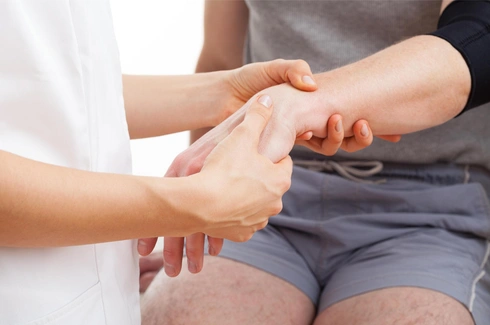
Physiotherapy focuses on improving movement, reducing pain, and helping individuals regain strength after injuries, surgeries, or long-term physical strain. At Avantis Clinic, our physiotherapy services are designed to address a wide range of musculoskeletal and neurological conditions through personalized treatment plans tailored to each patient’s needs.

Our physiotherapists use a combination of guided exercises, manual therapy, and rehabilitation techniques to restore mobility and improve overall physical function. Whether you are recovering from a sports injury, managing chronic joint pain, or seeking support after surgery, our goal is to help you return to your daily activities safely and comfortably.

Personalized physiotherapy treatment plans
Pain management and rehabilitation therapies
Treatment for sports injuries and muscle strains
Joint pain and arthritis management
Post-surgical rehabilitation support
Spine and posture correction therapies
Neurological physiotherapy care
Strength and mobility improvement programs
Injury prevention and recovery guidance
Patient-focused rehabilitation approach

Back Pain

Physiotherapy helps relieve lower and upper back pain through strengthening, posture correction, and mobility exercises.

Neck Pain

Targeted therapy reduces neck stiffness and pain caused by poor posture, stress, or muscle strain.

Sports Injuries

Rehabilitation programs support recovery from ligament injuries, muscle tears, sprains, and sports-related strain.

Frozen Shoulder

Physiotherapy improves shoulder mobility, reduces stiffness, and gradually restores normal range of motion.

Arthritis

Therapeutic exercises help reduce joint pain, improve flexibility, and maintain mobility for arthritis patients.

Sciatica

Specialized therapy helps relieve nerve compression pain radiating from the lower back to the legs.

Post-Surgical Rehabilitation

Guided physiotherapy supports recovery after surgeries by restoring strength, flexibility, and functional movement.

Joint Pain

Treatment focuses on reducing inflammation, improving joint stability, and restoring comfortable movement.

Muscle Strain

Therapy helps repair injured muscles, relieve pain, and safely restore strength and flexibility.

Posture-Related Pain

Corrective exercises help address pain caused by prolonged sitting, improper posture, or repetitive strain.

Stroke Rehabilitation

Physiotherapy helps improve movement, balance, and coordination after stroke-related neurological impairment.

Ligament Injuries

Rehabilitation helps stabilize joints, strengthen surrounding muscles, and promote safe recovery from ligament damage.

FAQs

What conditions can physiotherapy help treat?

Physiotherapy helps treat conditions such as back pain, neck pain, sports injuries, arthritis, joint stiffness, and post-surgical rehabilitation needs.

Do I need a doctor’s referral for physiotherapy?

In many cases, physiotherapy can be started after consultation with a physiotherapist, but a doctor’s recommendation may help guide the treatment plan.

How many physiotherapy sessions will I need?

The number of sessions depends on the condition, severity of symptoms, and how the body responds to treatment.

Is physiotherapy painful?

Most physiotherapy treatments are designed to reduce pain and improve movement. Some exercises may cause mild discomfort initially but help improve recovery.

Can physiotherapy help with chronic pain?

Yes, physiotherapy can help manage long-term conditions such as arthritis, chronic back pain, and joint stiffness through targeted exercises and therapy.

How long does a physiotherapy session take?

A typical physiotherapy session usually lasts between 30 to 60 minutes depending on the treatment required.

Is physiotherapy useful after surgery?

Yes, physiotherapy is often recommended after surgeries to restore mobility, strengthen muscles, and support faster recovery.

When should I see a physiotherapist?

You should consider physiotherapy if you experience persistent pain, reduced mobility, muscle weakness, or difficulty performing daily activities.