
ECG

Overview

An ECG (Electrocardiogram) is a simple and quick test used to measure the electrical activity of the heart. At Avantis Clinic, ECG testing helps doctors detect heart rhythm abnormalities and assess overall heart health.

The test records the heart’s electrical signals and helps identify irregular heartbeats, heart damage, or signs of heart disease. ECG plays an important role in diagnosing cardiac conditions and monitoring heart function.
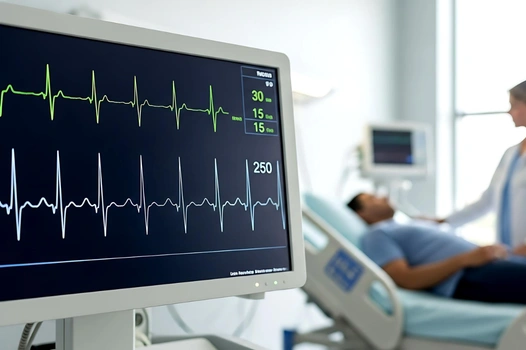
ECG

Key Highlights

Quick heart monitoring test
Detects abnormal heart rhythms
Non-invasive procedure
Helps diagnose heart conditions
Supports early cardiac detection
Safe and painless testing
Fast results
Experienced technicians
Used in routine heart evaluation
Reliable cardiac assessment tool

Conditions Detected

Irregular Heartbeat

ECG detects abnormal heart rhythms that may affect heart function.

Heart Attack Indicators

Helps identify electrical changes associated with previous or ongoing heart attacks.

Arrhythmia

Detects irregular heartbeat patterns affecting the heart’s rhythm and efficiency.

Coronary Artery Disease

ECG helps identify heart strain related to reduced blood supply.

Heart Enlargement

Identifies abnormal electrical patterns caused by enlarged heart chambers.

Electrolyte Imbalance

Changes in ECG patterns may indicate potassium or calcium imbalance.

Palpitations

Helps evaluate unexplained rapid or irregular heartbeats.

Chest Pain Causes

ECG helps determine if chest pain is heart-related.

Heart Muscle Damage

Can reveal signs of previous heart injury.

Heart Monitoring

Used to track heart function in patients with known heart disease.

When is an ECG Needed?

Chest pain or discomfort that may indicate heart problems
Irregular heartbeat or palpitations
Shortness of breath during rest or physical activity
Unexplained dizziness or fainting episodes
Monitoring heart health in patients with hypertension
Evaluation before certain surgeries or medical procedures
Assessing heart function after a suspected heart attack
Checking effectiveness of heart medications or treatments

Book Appointment

    FAQs

    An ECG (Electrocardiogram) is a diagnostic test that records the electrical activity of the heart.

    No, ECG is a painless and non-invasive procedure that only records heart signals.

    No special preparation is required. You may be asked to avoid heavy physical activity before the test.

    People experiencing chest pain, palpitations, dizziness, or shortness of breath may require an ECG.

    Doctors use ECG to detect irregular heart rhythms, heart damage, or signs of heart disease.

    The ECG test usually takes about 5 to 10 minutes to complete.

    Yes, ECG can help identify signs of a current or previous heart attack.

    ECG results are usually available shortly after the test and reviewed by a doctor.