
Nerve Conduction Velocity (NCV)

Overview

A Nerve Conduction Velocity (NCV) test measures how quickly electrical signals travel through the nerves. This test helps doctors evaluate nerve health and identify conditions that affect nerve function.

At Avantis Clinic, NCV testing is used to diagnose nerve damage, nerve compression, and other neurological conditions that may cause numbness, weakness, pain, or tingling sensations in different parts of the body.
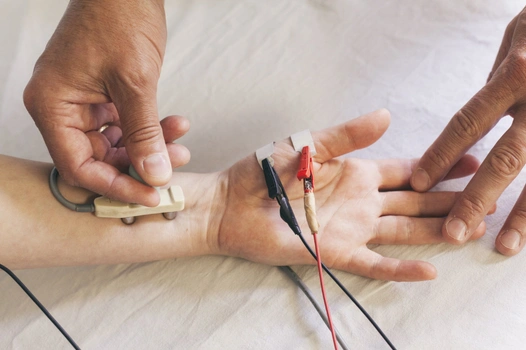
Nerve Conduction Velocity (NCV)

Key Highlights of Our NCV Testing

Measures nerve signal speed and strength
Helps detect nerve damage and compression
Supports diagnosis of neurological disorders
Identifies causes of numbness and tingling
Advanced diagnostic technology
Conducted by trained diagnostic specialists
Quick and non-invasive testing procedure
Reliable and accurate results
Supports early diagnosis of nerve conditions
Helps guide treatment planning

Conditions Detected Using NCV

Peripheral Neuropathy

Detects nerve damage causing numbness, burning pain, weakness, or loss of sensation.

Carpal Tunnel Syndrome

Helps identify nerve compression in the wrist affecting hand sensation and movement.

Nerve Compression

Detects pressure on nerves caused by injuries, swelling, or spinal conditions.

Guillain-Barré Syndrome

NCV helps detect nerve damage caused by autoimmune attacks on peripheral nerves.

Sciatica

Helps identify nerve irritation or compression affecting the lower back and legs.

Diabetic Neuropathy

Detects nerve damage caused by prolonged high blood sugar levels.

Radiculopathy

Identifies nerve root damage or compression originating from the spine.

Nerve Injuries

Evaluates damage to nerves caused by trauma or surgical complications.

Tarsal Tunnel Syndrome

Detects nerve compression in the ankle causing foot pain and numbness.

Neuromuscular Disorders

Helps diagnose disorders affecting communication between nerves and muscles.

When is an NCV Test Needed?

Persistent numbness or tingling in the hands or feet
Unexplained muscle weakness or reduced strength
Burning pain or loss of sensation in limbs
Suspected nerve compression or nerve injury
Symptoms of carpal tunnel or nerve entrapment
Evaluation of nerve damage caused by diabetes
Difficulty controlling muscle movements
Pain radiating from the spine to arms or legs

Book Appointment

    FAQs

    NCV (Nerve Conduction Velocity) is a diagnostic test that measures how fast electrical signals travel through nerves.

    Patients may feel mild tingling or discomfort, but the test is generally well tolerated.

    NCV helps detect neuropathy, nerve injuries, nerve compression, and neuromuscular disorders.

    No, NCV evaluates nerve signals while EMG measures muscle electrical activity.

    It helps detect nerve damage, nerve compression, and neurological conditions affecting nerve function.

    The procedure usually takes between 30 and 60 minutes.

    Usually no special preparation is needed, but avoid lotions or oils on the skin before the test.

    Results are typically available within 24–48 hours after review by a specialist.