
USG (Ultrasound)

Overview

Ultrasound, also known as USG, is a safe and non-invasive imaging technique used to examine internal organs and soft tissues. At Avantis Clinic, ultrasound imaging helps doctors assess conditions affecting the abdomen, pelvis, thyroid, and other organs with clarity and precision.

Using sound waves to create real-time images, ultrasound helps identify abnormalities, monitor organ health, and support accurate diagnosis. It is widely used for evaluating abdominal pain, pregnancy monitoring, and detecting cysts, stones, or other structural concerns.
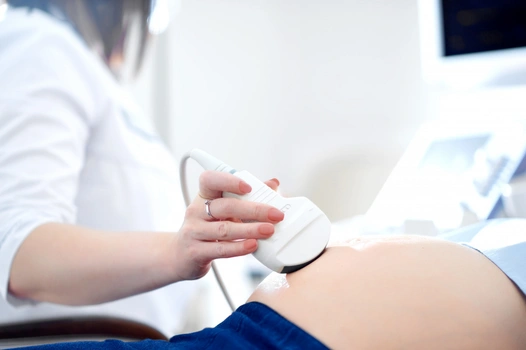
USG (Ultrasound)

Key Highlights

Non-invasive and radiation-free imaging
Real-time imaging technology
Accurate soft tissue evaluation
Pregnancy monitoring scans
Abdominal organ assessment
Detection of cysts and tumors
Kidney and bladder evaluation
Experienced diagnostic specialists
Safe for repeated imaging
Quick and comfortable procedure

Conditions Detected

Gallstones

Ultrasound helps detect gallstones and inflammation affecting the gallbladder and bile ducts.

Kidney Stones

Imaging identifies kidney stones, urinary obstruction, and structural abnormalities in the kidneys.

Abdominal Pain Causes

Ultrasound helps evaluate abdominal organs to identify causes of unexplained abdominal discomfort.

Liver Conditions

Detects liver enlargement, fatty liver disease, and structural liver abnormalities.

Ovarian Cysts

Helps identify ovarian cysts and other reproductive organ abnormalities in women.

Pregnancy Monitoring

Used to monitor fetal growth, development, and overall pregnancy health.

Thyroid Nodules

Detects nodules, cysts, and swelling affecting the thyroid gland.

Bladder Problems

Evaluates bladder structure and helps detect urinary retention or abnormalities.

Soft Tissue Swelling

Helps examine lumps or swelling beneath the skin and surrounding tissues.

Abdominal Tumors

Ultrasound can help detect abnormal growths in abdominal organs.

When is a USG (Ultrasound) Needed?

Persistent abdominal pain or swelling
Monitoring pregnancy and fetal development
Detecting gallstones or kidney stones
Evaluating liver, pancreas, or spleen conditions
Checking pelvic organs like uterus and ovaries
Investigating urinary bladder or prostate problems
Identifying cysts, tumors, or fluid collections
Assessing blood flow and organ abnormalities

Book Appointment

    FAQs

    Ultrasound helps evaluate organs such as the liver, kidneys, gallbladder, uterus, and thyroid.

    Certain scans may require fasting or drinking water beforehand.

    Yes, ultrasound can help identify abnormal growths in organs and tissues.

    Reports are usually available within 24–48 hours.

    Yes, ultrasound uses sound waves and does not involve radiation.

    Most ultrasound scans take about 15–30 minutes.

    No, it is a painless and non-invasive procedure.

    Yes, a doctor’s recommendation is typically required.